Why Custom Software Solutions Are Better Than One-Size-Fits-All Platforms
In today’s rapidly evolving digital landscape, businesses are increasingly relying on software systems to manage operations, serve customers, and drive growth. Many organizations initially turn to ready-made platforms due to their accessibility and lower upfront cost. While these solutions may provide a quick starting point, they are often designed for broad use cases, which means they rarely align perfectly with the specific needs of an individual business.
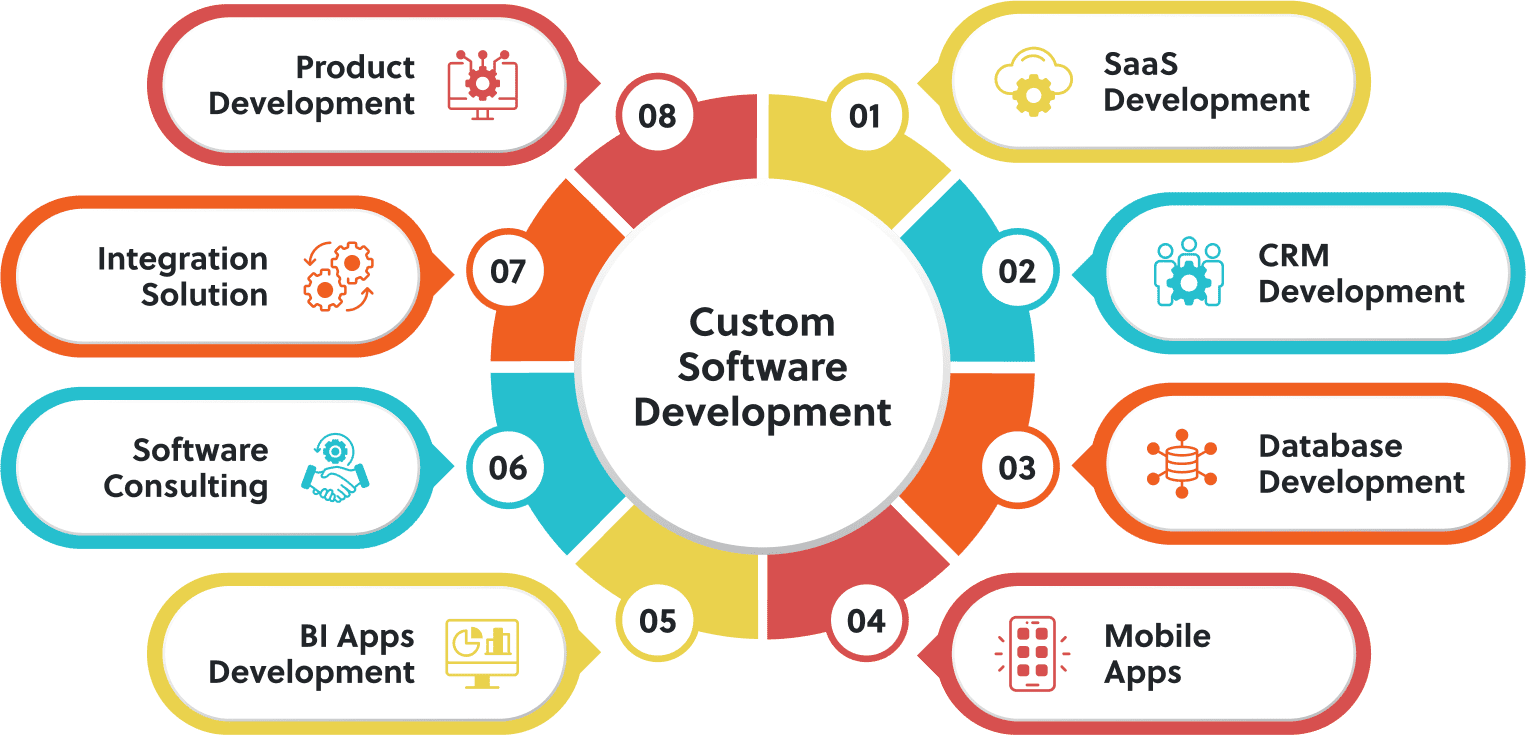
Custom software, on the other hand, is built with a clear understanding of a business’s unique processes, goals, and challenges. Instead of forcing operations to adapt to predefined structures, custom solutions are designed to fit seamlessly into existing workflows. This fundamental difference shifts software from being a limitation to becoming a strategic asset that supports efficiency, innovation, and long-term scalability.
Understanding why this distinction matters is essential for businesses that aim to move beyond temporary solutions and build systems that truly support their growth and operational complexity.
Alignment with Business Processes
One of the most significant advantages of custom software is its ability to align precisely with existing business processes. Every organization operates differently, with its own workflows, decision-making structures, and operational priorities. Generic platforms are built to accommodate a wide audience, which often results in unnecessary features while lacking critical functionalities required for specific use cases.
Custom solutions eliminate this mismatch by being designed around actual business requirements. This ensures that every feature serves a purpose, every workflow is optimized, and every interaction contributes to operational efficiency. Rather than adapting business processes to fit the software, the software adapts to the business, creating a more natural and productive system.
Software should adapt to your business—not force your business to adapt to it.
Flexibility and Control Over Features
Pre-built platforms often come with fixed feature sets and limited customization options. While they may allow minor adjustments, core functionality typically remains unchanged, restricting how businesses can evolve their systems over time. This lack of flexibility can become a significant barrier as requirements grow more complex.
Custom software provides complete control over features, allowing businesses to add, modify, or remove functionality as needed. This level of flexibility ensures that the system remains relevant and aligned with changing goals, enabling continuous improvement without being constrained by platform limitations.
Scalability Without Structural Limitations
As businesses grow, their operational needs expand, requiring systems that can handle increased data, users, and complexity. Many off-the-shelf platforms struggle to scale efficiently, often requiring costly upgrades, workarounds, or even complete migration to new systems.
Custom-built solutions are designed with scalability in mind from the beginning. Their architecture can be structured to support growth seamlessly, allowing businesses to expand functionality, integrate new technologies, and handle increased demand without disrupting existing operations. This ensures that the software evolves alongside the business rather than becoming a limiting factor.
Integration with Existing Systems
Modern businesses operate within complex digital ecosystems that involve multiple tools, platforms, and services working together to manage various aspects of operations such as customer relationships, internal workflows, data management, and communication. Ensuring that these systems function cohesively is essential for maintaining efficiency, consistency, and accuracy across the organization. However, when relying on multiple third-party tools, integration often becomes a significant challenge, as each platform may follow different standards, data structures, and communication protocols. This can lead to fragmented workflows, duplicated efforts, and the creation of data silos that limit visibility and slow down decision-making processes.
Custom software addresses these challenges by being specifically designed to integrate seamlessly with existing systems, creating a unified and interconnected digital environment. Instead of forcing businesses to manually bridge gaps between tools, custom solutions enable smooth data flow, automated synchronization, and consistent interaction across platforms. This level of integration not only improves operational efficiency but also enhances data reliability, reduces redundancy, and provides a centralized view of business activities. As a result, organizations gain better control over their processes, improve collaboration between different functions, and make more informed decisions based on accurate and real-time information.
Long-Term Cost Efficiency
While custom software development typically requires a higher initial investment compared to ready-made platforms, it is important to evaluate cost from a long-term perspective rather than focusing solely on upfront expenses. Off-the-shelf solutions often involve recurring subscription fees, licensing charges, feature limitations, and additional costs for upgrades or integrations. Over time, these expenses can accumulate significantly, especially as the business grows and requires more advanced functionality or higher usage capacity. Furthermore, the inability to fully customize such platforms may lead to inefficiencies that indirectly increase operational costs.
Custom solutions, in contrast, are designed to align precisely with business needs, eliminating unnecessary features, reducing dependency on multiple third-party services, and minimizing recurring costs. Once developed, these systems provide greater control, flexibility, and stability, allowing businesses to scale and evolve without incurring continuous platform-related expenses. By investing in tailored software, organizations create a sustainable digital foundation that supports long-term growth while optimizing resource utilization, ultimately transforming software from a recurring cost burden into a strategic and value-driven investment.
Conclusion
The decision between custom software and one-size-fits-all platforms extends beyond technical preference and enters the realm of strategic business planning. While generic solutions may offer convenience and quick implementation, they often introduce structural limitations that restrict adaptability, reduce efficiency, and create dependencies that can hinder long-term growth. These limitations may not be immediately visible but tend to surface as the business evolves and its requirements become more complex.
Custom software provides a more thoughtful and future-oriented approach by enabling businesses to build systems that are fully aligned with their operations, scalable to accommodate growth, and flexible enough to adapt to changing demands. By prioritizing integration, efficiency, and long-term value, organizations can move beyond temporary solutions and establish digital systems that actively contribute to innovation, operational excellence, and sustained business success.